Choosing the Right Drainage Pipe The pipe used on a drainage run decides how well it copes with what passes through it and how long it lasts in the ground. Most drainage complaints that turn out to be structural come back to the wrong pipe, the wrong fall or a joint that was never going to hold. It is worth knowing what is under your property.
PVC and uPVC: Light, smooth-bored and the common choice for household waste and soil runs. It resists corrosion well and is easy to work with, but it dislikes being crushed - laid too shallow under a driveway it will deform.
Stoneware and Salt-Glazed Clay: Still found on older Hyderabad properties, and surprisingly durable in the ground. The weakness is the joints: as the mortar goes, roots find the gap and the run starts holding silt.
Cast Iron: Strong and quiet, which is why it was used for stacks in older buildings. It rusts from the inside over decades, and a rough internal surface catches deposits that a smooth pipe would carry away.
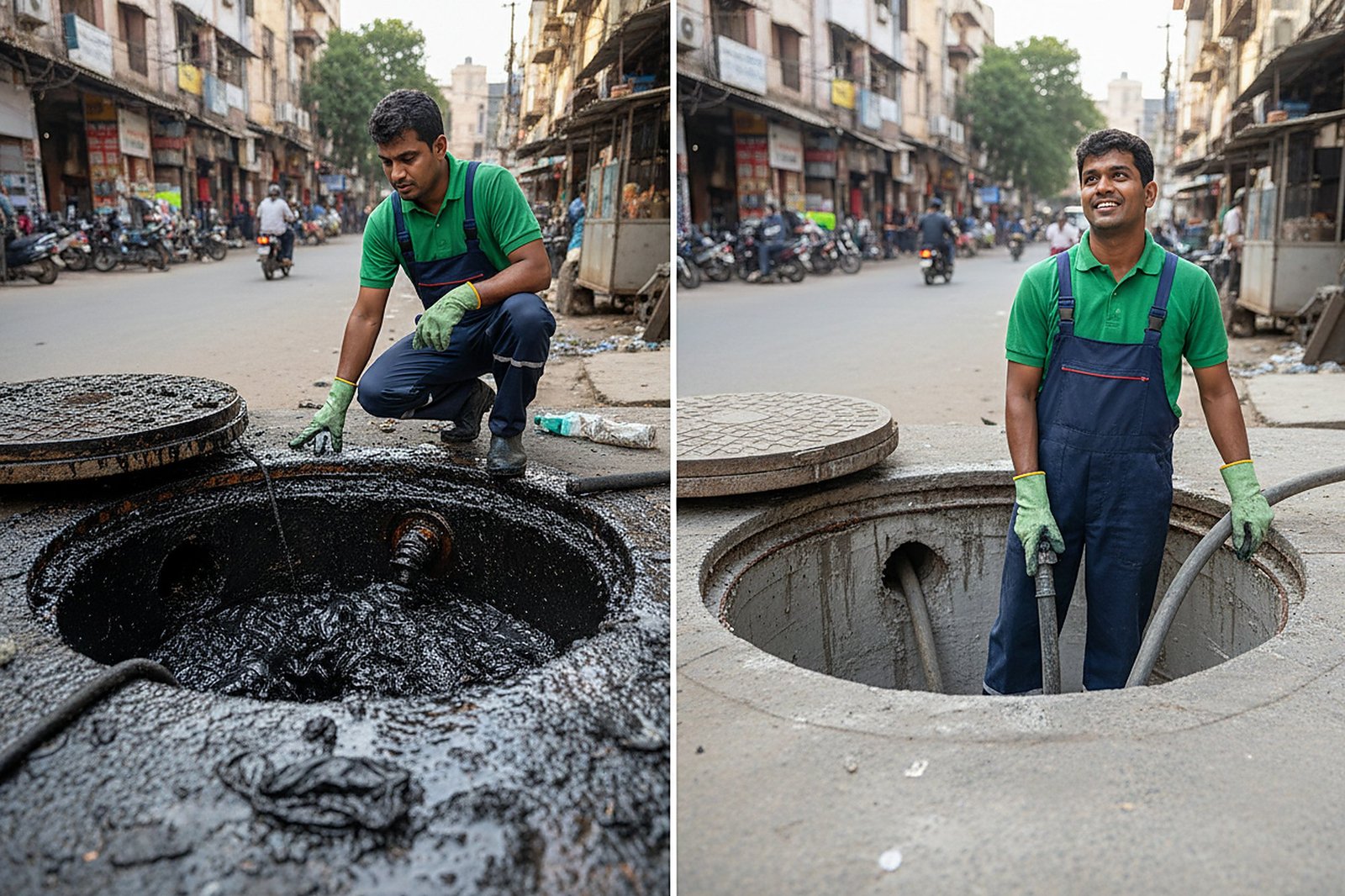
Concrete and RCC: Used for larger sewer runs and chambers where strength matters more than a fine bore. Effluent slowly attacks the surface, so it suits main lines rather than kitchen waste.
HDPE: Flexible, joined by fusion rather than couplings, and therefore very resistant to root ingress and ground movement. It costs more, and is worth it where a run has failed before.
Diameter and Fall Matter as Much as Material: A pipe that is too large runs too slowly to self-clean; too steep and the water outruns the solids. Both leave deposits, and no material choice compensates for getting the gradient wrong.
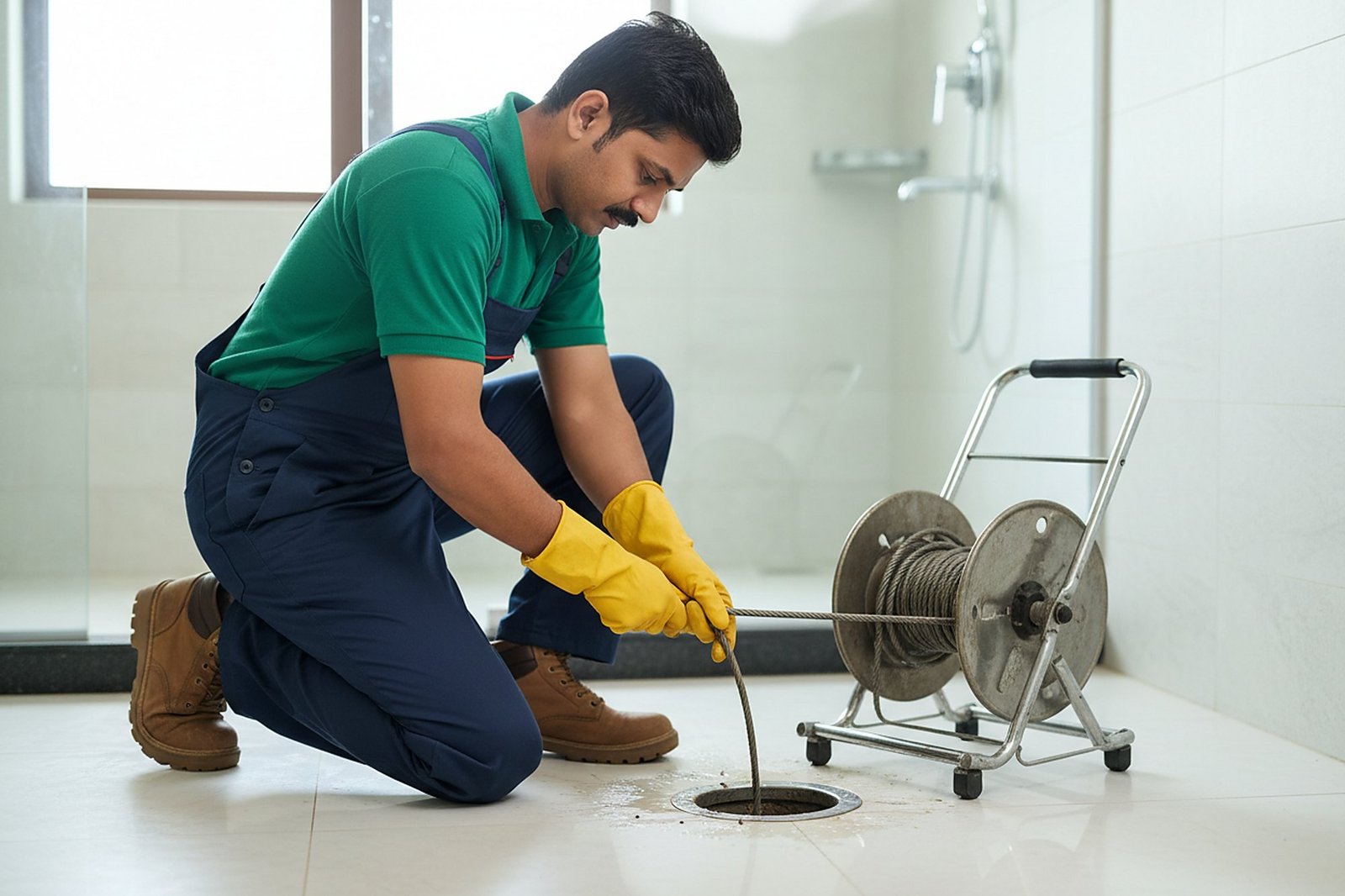
Getting Advice Before the Work If a drainage run keeps blocking in the same place, the pipe itself is usually worth inspecting before it is cleaned again. Laxmi Ganpati Septic Tank Cleaners carries out drain cleaning, sewage line clearing and camera inspection across Hyderabad, and will tell you whether you are dealing with a build-up or with a run that needs replacing.